
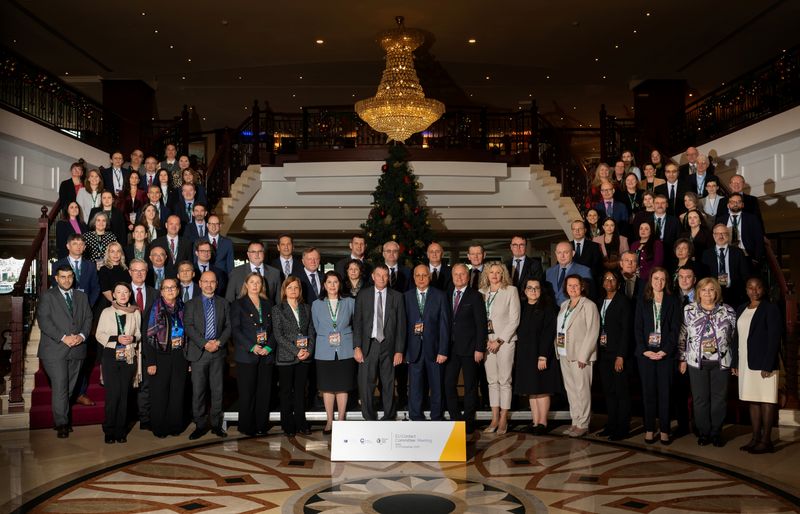
This years’ Contact Committee meeting of the Heads of the Supreme Audit Institutions (SAIs) of the EU member states and of the European Court of Auditors (ECA) was hosted by SAI Malta between 19th and 20th November 2025.
The meeting was organised by the European Court of Auditors and it focused on SAI work and lessons learned in key areas for EU competitiveness, the topic which was also covered by the Second Deputy President of the Court of Audit of the Republic of Slovenia mag. Aleksej Šinigoj. Within the cluster "Innovation, digitalisation and R&D" he presented the audit on the efficiency of the patent protection system in the Republic of Slovenia.
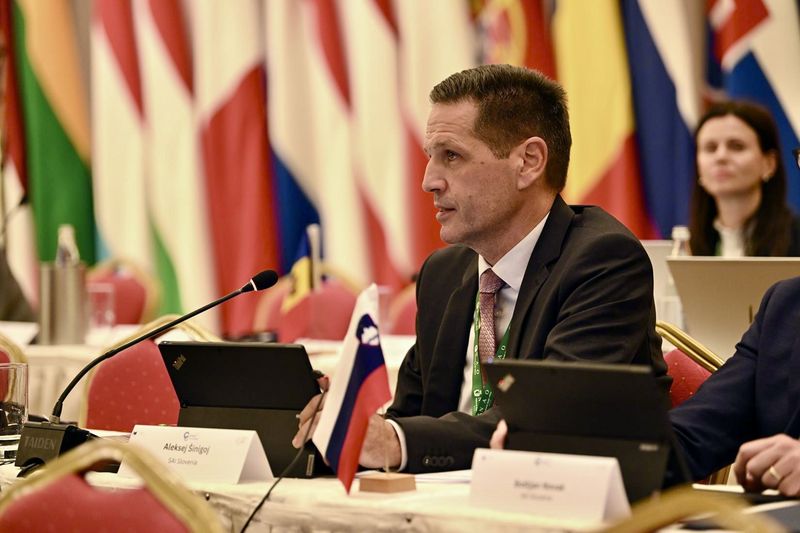
The Contact Committee meeting was attended by more than 70 delegates from all 27 EU Member States, including the Heads of SAIs, as well as representatives of the SAIs of candidate and potential candidate countries, and SIGMA. On behalf of the Court of Audit of the Republic of Slovenia, the meeting was attended also by the Advisor in the Cabinet of the President, Boštjan Novak. Together with mag. Šinigoj they used the opportunity for bilateral meetings with the representatives of other SAIs where they focused on strengthening the existing and planned cooperation. The discussions covered a wide range of subjects, among others possibilities for undertaking parallel audits, exchange of knowledge, best practice and experts, cooperation in working teams within Contact Committee, INTOSAI and EUROSAI as well as further development of trainings and other forms of inter-institutional networking.
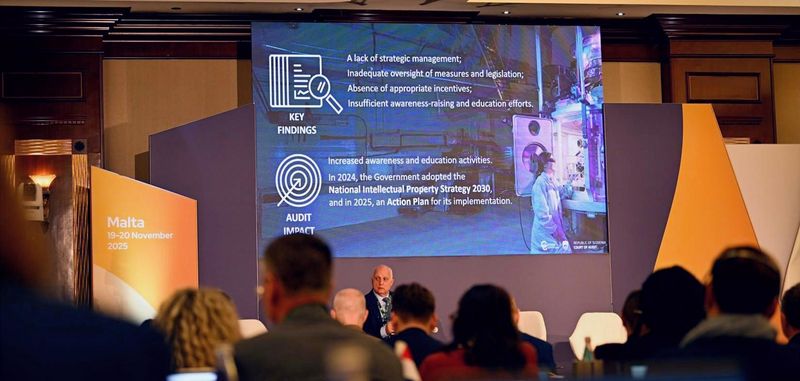
At the meeting which was chaired by President of ECA Tony Murphy as the chairman and Auditor General of SAI Malta Charles Deguara as the host, participating SAIs exchanged insights from their national audit work on public investment, energy security, labour market skills, innovation and digitalisation, and reflected on how audit institutions can best support increasing competitiveness at national and EU level.
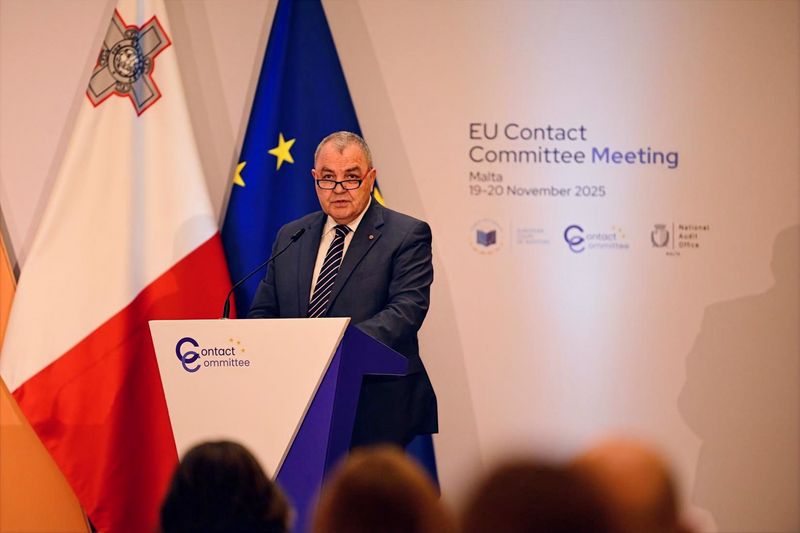
During the opening session, Speaker of the House of Representatives of Malta dr. Anġlu Farrugia welcomed delegates and highlighted the importance of strong, independent oversight institutions in safeguarding democratic governance and ensuring that public resources are used responsibly and effectively. He also conveyed his appreciation to the National Audit Office of Malta for hosting this meeting.
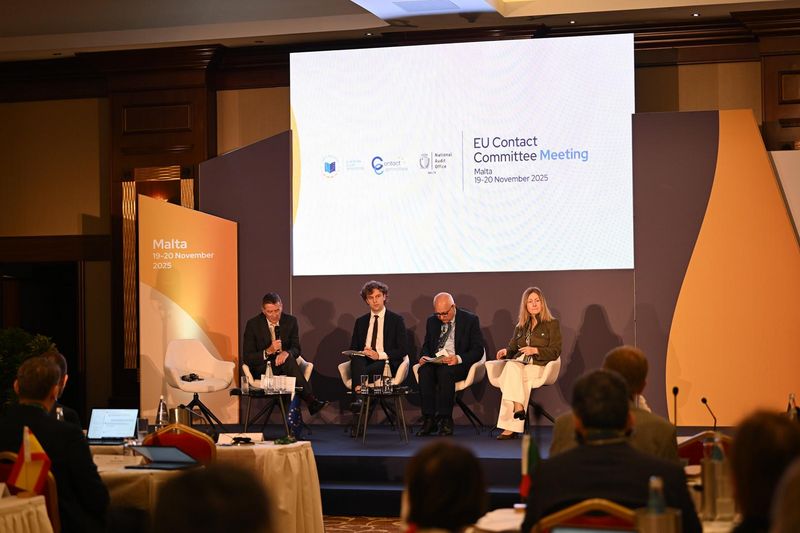
Key expert interventions were delivered by Sander Tordoir, Chief Economist at the Centre for European Reform EU (CER), and Anna Athanasopoulou, Director at DG GROW, who presented perspectives on Europe's competitive position, investment needs and the European Commission's proposals linked to the new EU Competitiveness Fund. Arno Kruk, Public-Private Partnership Manager at ASML, spoke about Europe's semiconductor ecosystem and the role of Important Projects of Common European Interest in supporting strategic technological capabilities.
Among the main issues of the presentations and discussions was the topic Auditing EU funds on a national level. The proposal to include the topic on the agenda of the Contact Committee meeting was supported by heads of SAI Netherlands, SAI Czech Republic and SAI Germany as well as the President of the Court of Audit Jana Ahčin. An important contribution of the meeting was the presentation of the statement of the Contact Committee on the external audit arrangements for the European Investment Bank EIB that is based on the recent audit findings from the audit reports of ECA, SAI Austria and SAI Germany.
The meeting concluded with the formal handover of the Contact Committee chairmanship to the French Cour des Comptes for 2026, reaffirming the commitment of the Europe's audit community to promoting good governance, effective public spending and a more competitive European Union.
The Contact Committee is an autonomous, independent and non-political assembly of the Heads of the Supreme Audit Institutions of the EU Member States and of the European Court of Auditors. It provides a forum for discussing and addressing the issues of mutual interest relating to the EU. In order to contribute to effective external audit and accountability in the EU and to help improving EU financial management and good governance for the benefit of EU citizens, the Contact Committee also encourages cooperation among its members.